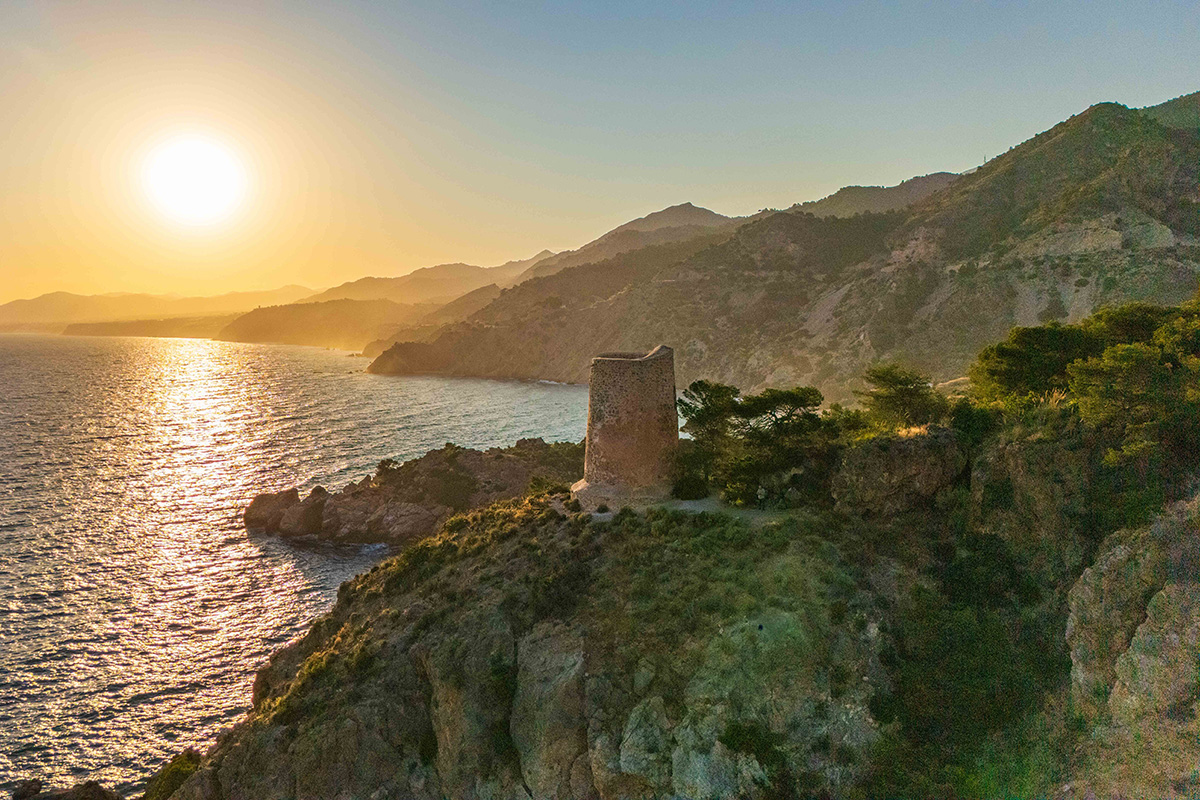
If you've spent time on the Mediterranean coast of Andalucía, you've almost certainly noticed them. Perched on rocky headlands, standing above quiet coves or looking out across the sea, these old watchtowers appear at regular intervals along the coastline. Some remain remarkably complete, while others are little more than weathered ruins, but all have become familiar landmarks to anyone who knows this part of southern Spain.
It's easy to admire them without giving much thought to why they're there. Yet each tower occupies its position for a reason, forming part of a defensive network that once watched over this coastline. They tell the story of a time when the sea brought not only traders and fishermen, but also the constant threat of attack.
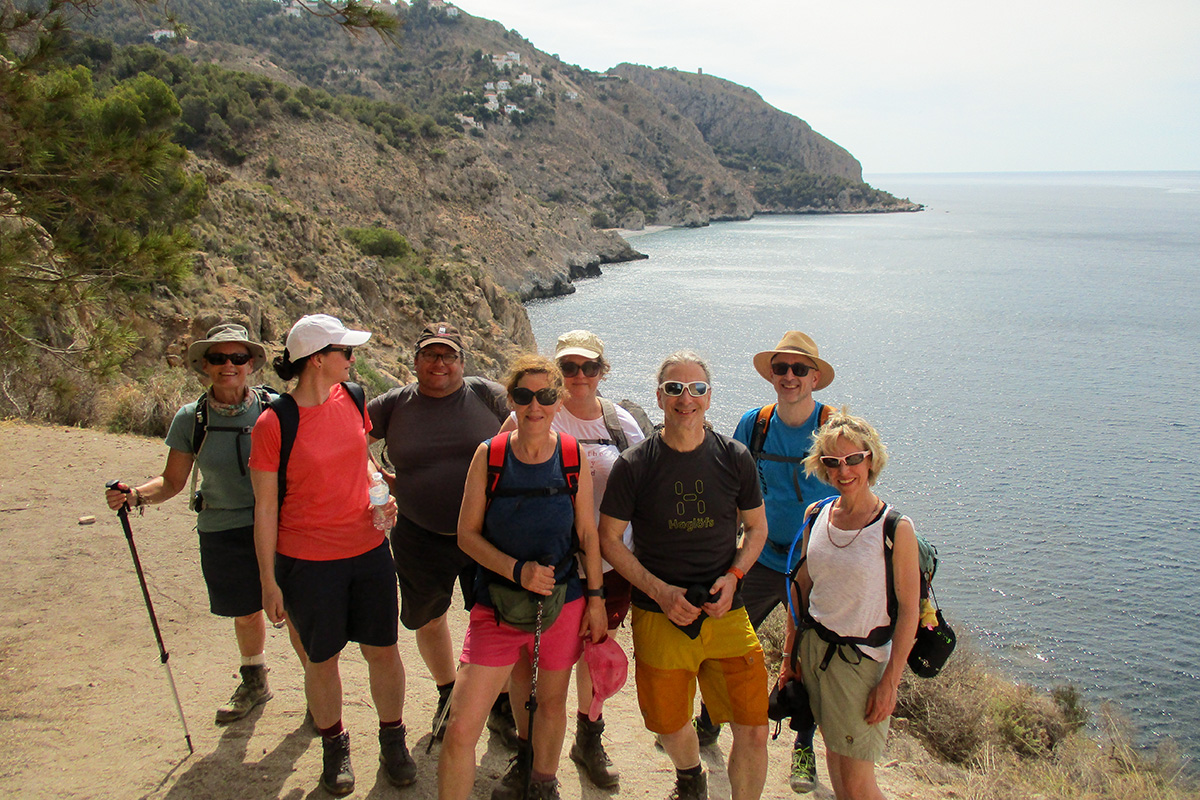
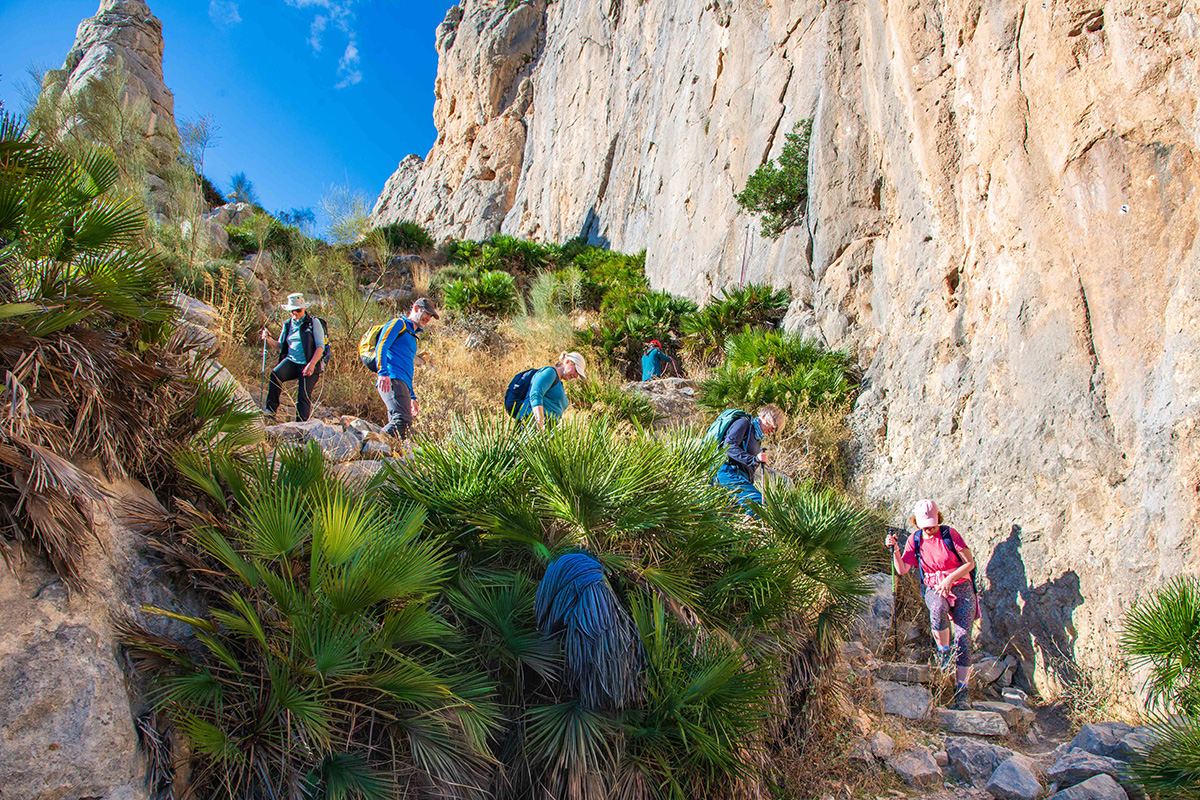
On this walk we'll follow the coastal paths through the Maro–Cerro Gordo Natural Park, a protected stretch of coastline between Maro and La Herradura. Its dramatic limestone cliffs, rich wildlife and protected marine environment form the backdrop to one of the most memorable walks of the holiday. As we walk between the watchtowers and along the cliff paths, we'll discover that the history of this coastline and the landscape itself have always been closely connected.
(picture 1 here)
Why Were They Built?
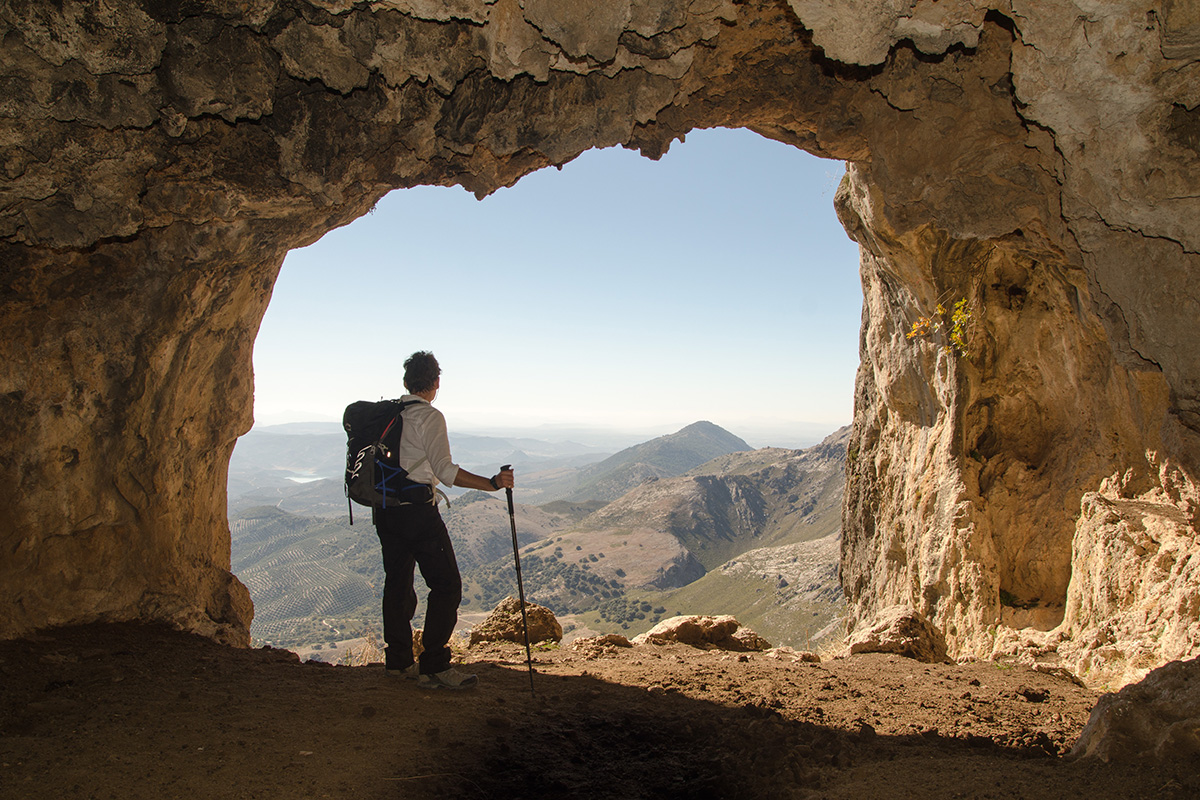
The watchtowers that line the Andalusian coast were built because the Mediterranean was not always the peaceful sea we know today. For centuries, coastal communities lived with the threat of raids from North Africa. Fast-moving vessels could appear with little warning, landing in sheltered coves before disappearing just as quickly. Villages along the coast were vulnerable, and people living further inland also depended upon early warning of approaching danger.
The answer was a network of watchtowers positioned on prominent headlands where each tower could see the next. From these commanding viewpoints, lookouts watched the sea throughout the day. If suspicious ships were spotted, messages could be passed rapidly along the coast using smoke by day and fire by night, giving nearby communities time to prepare.
Today we admire the dramatic cliffs, hidden coves and rocky headlands that make this such a memorable walk. Centuries ago, those same features made the coastline difficult to defend. The headlands provided perfect lookout points, while the secluded coves offered sheltered places where raiding parties could land unseen. The watchtowers were built to work with the landscape, using the natural shape of the coast to watch over this vulnerable stretch of shoreline.
(picture 2 here)
From Defence to Conservation
The coastline between Maro and Cerro Gordo has always stood apart. Here, the southern slopes of the Sierra Almijara plunge dramatically into the Mediterranean, creating towering limestone cliffs, rocky headlands and small sheltered coves. It's a landscape that feels surprisingly wild, especially when compared with many other parts of the Costa del Sol, and it's easy to understand why this stretch of coast has remained so special.
Centuries ago, these same cliffs and hidden inlets made the coastline difficult to defend. While the headlands provided ideal positions for the watchtowers, the sheltered coves below offered opportunities for raiding parties to come ashore. The landscape that we admire today was the very reason this part of the coast required such careful watch.
Today, those same cliffs and coves are protected for very different reasons. The Maro–Cerro Gordo Natural Park safeguards not only the dramatic landscape above the sea but also the rich marine environment beneath it. Together they protect the coastline, preserving its wildlife, marine habitats and natural beauty while forming the backdrop for one of the most memorable walks of the holiday. Walking here is about far more than following a coastal path; it's an opportunity to experience a landscape that has been valued and protected for centuries, even though the reasons for protecting it have changed.
(picture 3 here)
Cerro Gordo
Our walk gradually leads us towards the Torre de Cerro Gordo, standing high above the Mediterranean on one of the most prominent headlands along this stretch of coast. By the time we arrive, the story of the coastline has almost come full circle. Standing here, it's easy to understand why a watchtower was built on this rocky outcrop. The views weren't simply there to be admired; they allowed the coastline to be watched in every direction.
The cliffs below, the sheltered coves and the distant headlands all become part of the same story. The headlands provided natural lookout points, while the hidden inlets created opportunities for raiding parties to come ashore. Everything we've seen along the walk begins to make sense because the landscape itself explains why this coastline needed protecting.
Today, people pause here for very different reasons. We stop to appreciate the scenery, the wildlife and the quiet beauty of the Maro–Cerro Gordo Natural Park. Yet the landscape itself hasn't changed. The same cliffs, the same headlands and the same coastline that once demanded constant vigilance now invite us simply to slow down and enjoy one of the most rewarding stretches of the Mediterranean coast. Standing beside the tower, it's easy to understand why this coastline has always been worth protecting.
(picture 4 here)
Looking at the Coast Differently
It's easy to admire the dramatic cliffs, the clear Mediterranean waters and the watchtowers standing quietly above the sea. Yet once you understand why this coastline needed protecting, you begin to see far more than a beautiful stretch of coast.
The headlands, hidden coves and limestone cliffs all become part of the story. The landscape explains why the watchtowers were built where they stand, while the Maro–Cerro Gordo Natural Park reminds us that this coastline is still valued today, although for very different reasons.
Walking between Maro and Cerro Gordo is about far more than following a beautiful coastal path. It's an opportunity to experience a landscape that has shaped centuries of history and continues to inspire those who take the time to understand it.