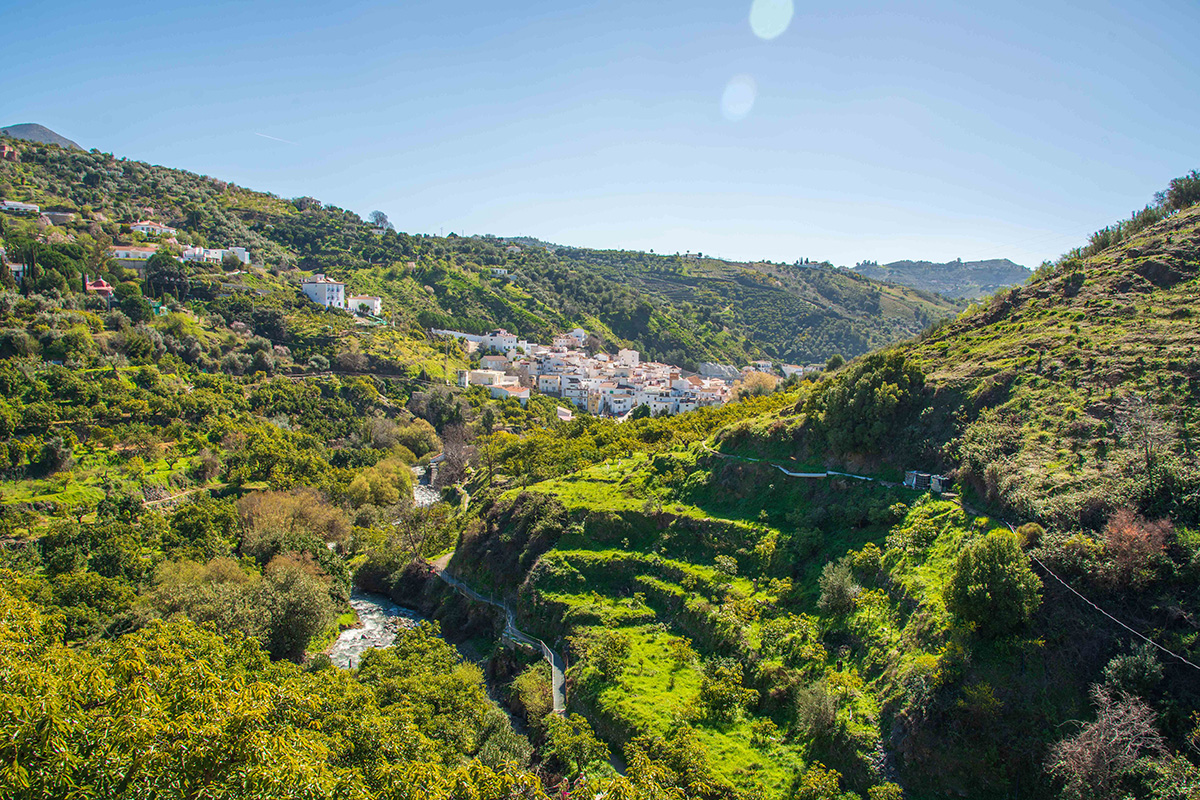
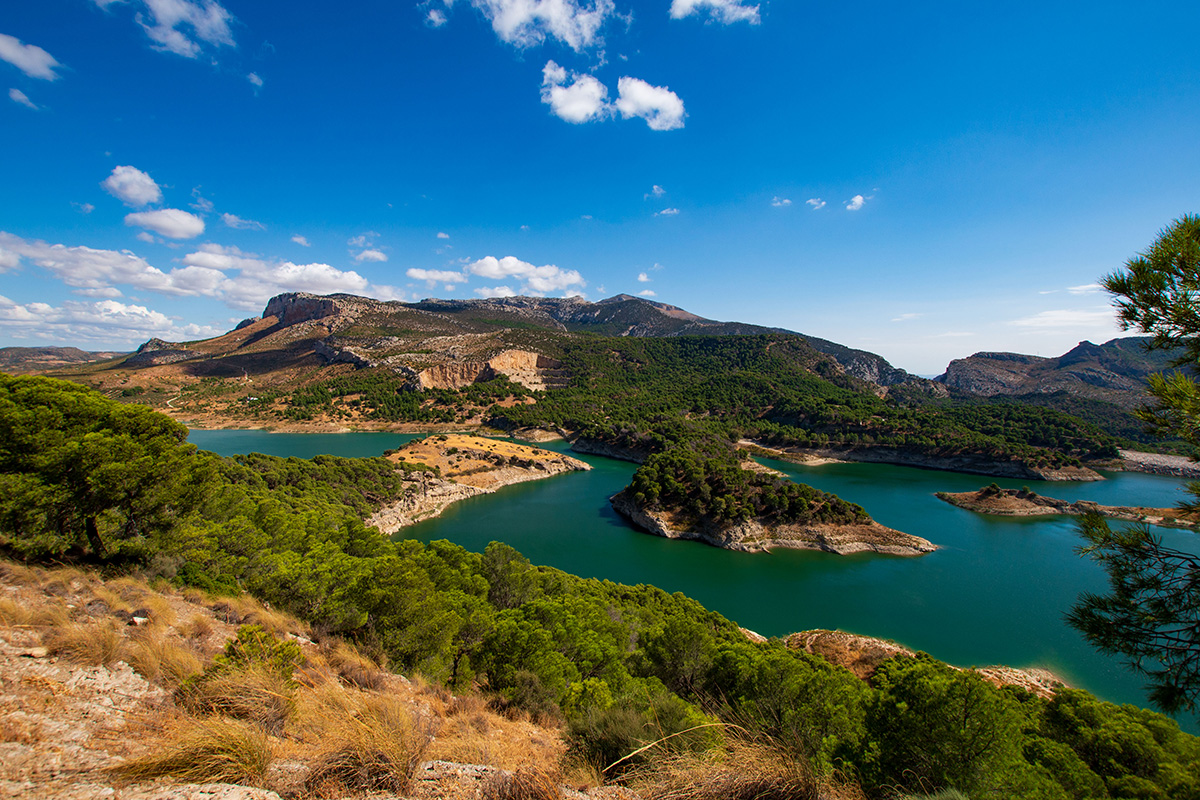
One of the things I like about walking in the Guadalhorce Valley is that it's so close to the coast, yet it feels like a completely different part of Andalucía. Within an hour of Málaga, you're walking through wide open countryside where limestone mountains rise above olive groves, reservoirs fill the valleys, and quiet villages sit beneath ancient castles.
The more I've walked here, the more I've come to realise that the landscape explains so much about what you see today. Long before today's villages and castles appeared, the foundations of the Guadalhorce Valley had already been shaped over millions of years. Once you understand that, the rest of the story begins to fall into place.
A Landscape Shaped Over Millions of Years
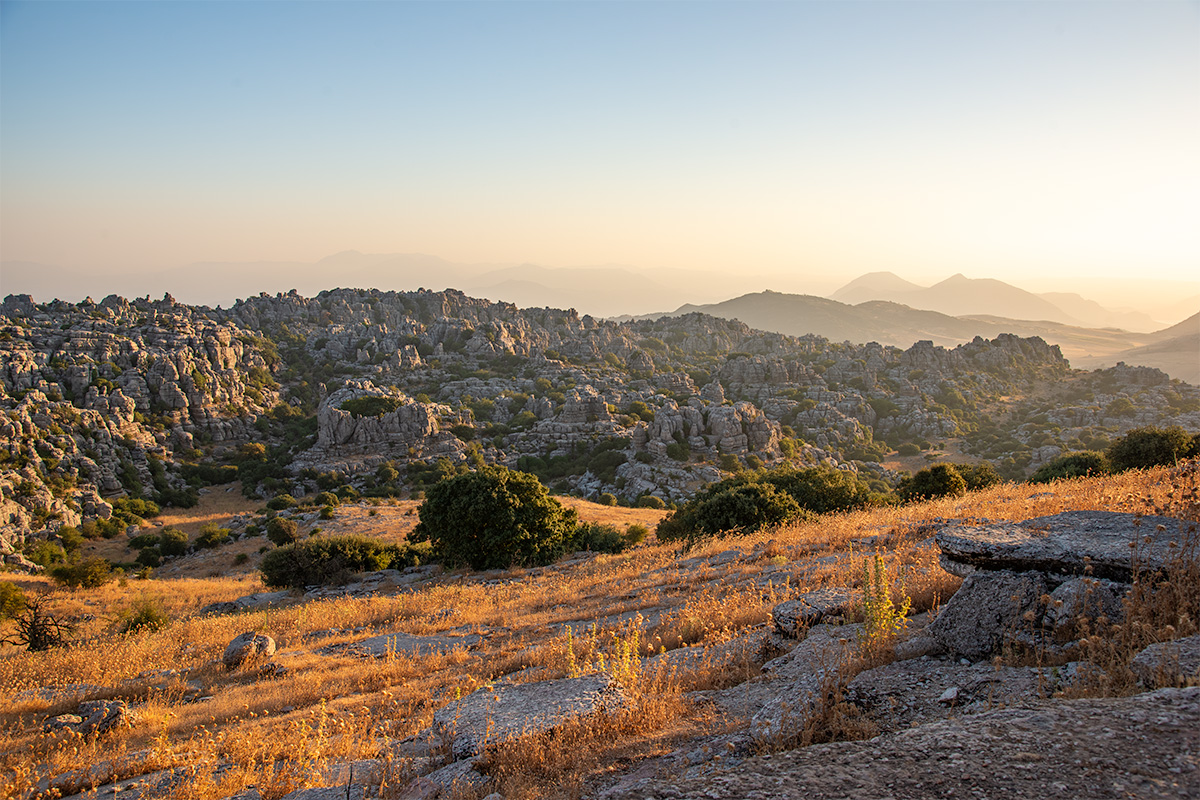
The Guadalhorce Valley is a landscape of striking contrasts. Broad, open valleys occupy the heart of the region, while dramatic limestone ridges rise to the east and west, creating one of Andalucía's most distinctive landscapes. Rivers cut through the limestone to form deep gorges, while places such as El Torcal reveal rock formations unlike anywhere else in the region.
Long before the first people arrived, the landscape we see today was already beginning to take shape. At that time, much of what is now southern Spain lay beneath the sea. As the land slowly rose, rivers gradually carved their way through the limestone, creating the valleys, cliffs and gorges that still define the Guadalhorce Valley today.
You don't need to understand the geology in detail to appreciate walking here. But knowing a little about how the area was formed helps explain so much of what you see, from the extraordinary rock formations of El Torcal to the sheer cliffs of the Gaitanes Gorge and the broad valleys that link them together.
A Place to Settle
Once the landscape had taken shape, it offered everything early communities needed to survive. Reliable water, fertile soils, extensive woodland, natural shelter and plentiful food gave people everything they needed to settle here thousands of years before the first villages appeared.
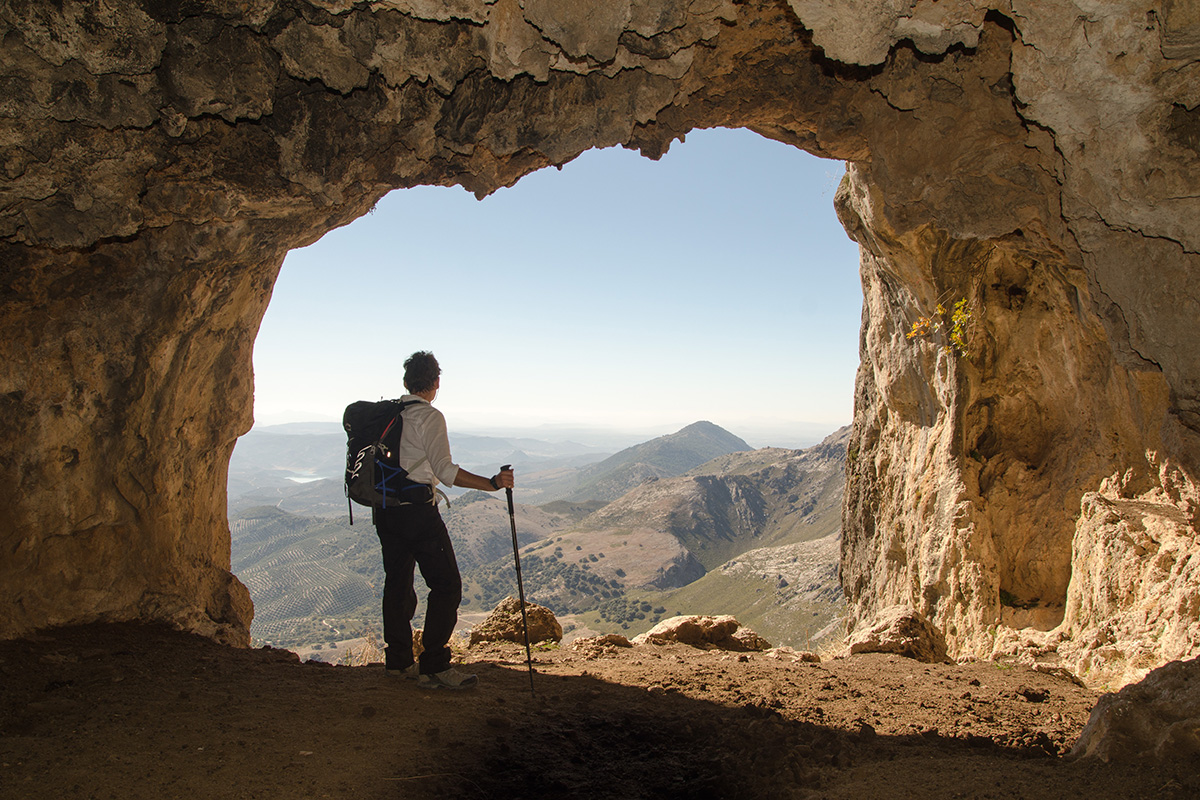
Evidence of those earliest communities can still be found today. The caves at Ardales preserve traces of people who lived here thousands of years ago, while the UNESCO-listed Dolmens of Antequera were built by some of the valley's first farming communities. Together, they remind us that people have been drawn to this landscape for a very long time.
Standing in the valley today, it's easy to understand why. The same rivers still flow through fertile farmland, the surrounding hills continue to provide shelter, and many of the natural routes through the landscape are still followed. Although life has changed enormously, the qualities that first attracted people here remain remarkably easy to recognise.
Layers of History
The valley wasn't shaped by a single civilisation. Over thousands of years, different peoples recognised the same advantages of fertile land, reliable water and natural routes through the surrounding mountains. As an important crossroads between the coast and inland Andalucía, each civilisation left its own mark, adding another layer to the valley's story.
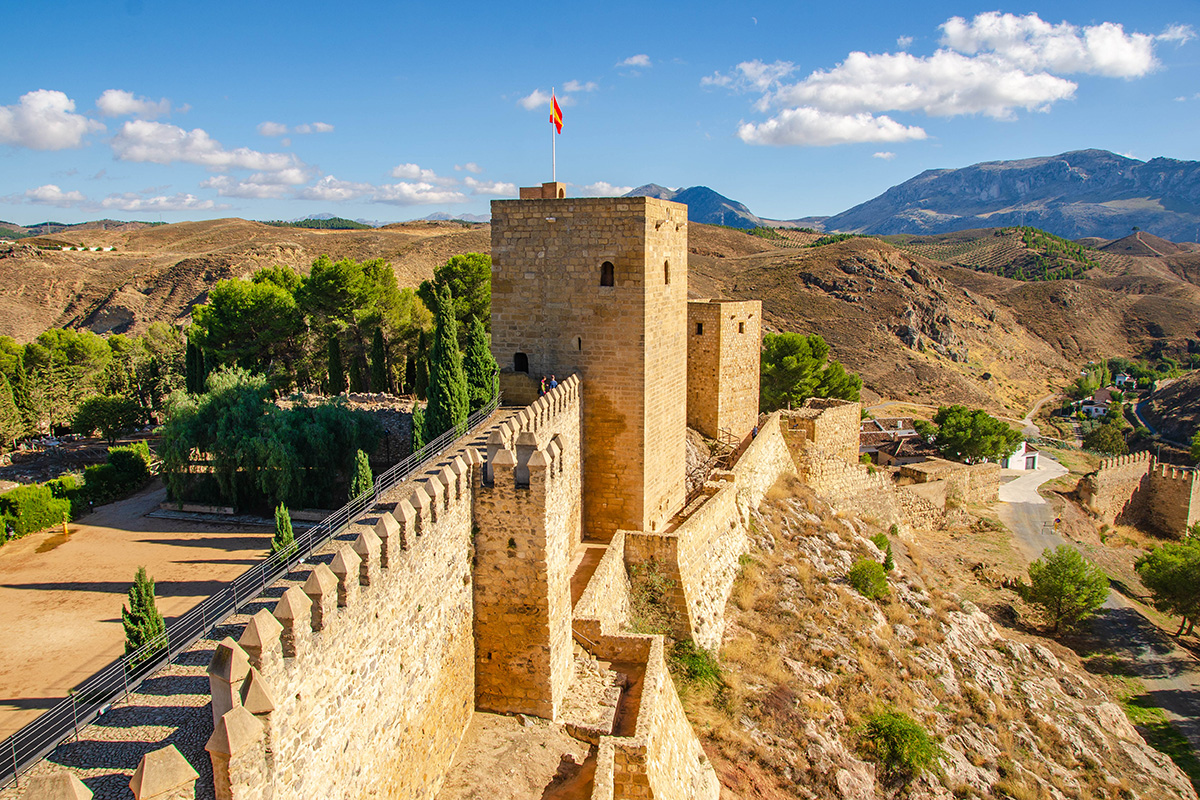
The Romans strengthened settlements, developed agriculture and improved the routes that linked inland Andalucía with the Mediterranean. Later, the Moors built hilltop castles and fortified towns to defend those same routes, many of which still watch over the valley today. Following the Christian reconquest, churches, convents and prosperous market towns became part of the landscape, particularly in places such as Antequera.
Today, those different periods of history are still easy to recognise. A castle standing above a village, an old church overlooking a market square or the remains of an ancient route are all reminders that the valley’s story is written into the places we walk.
Walking Through the Guadalhorce Valley
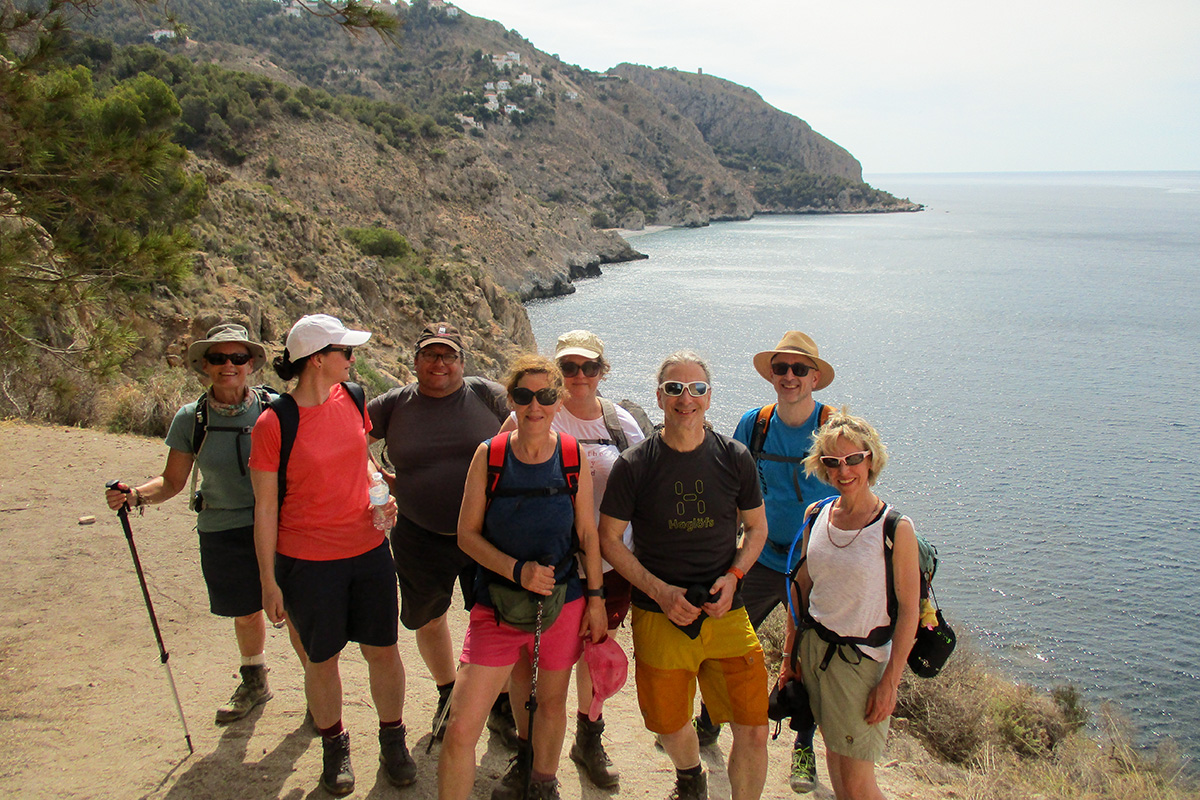
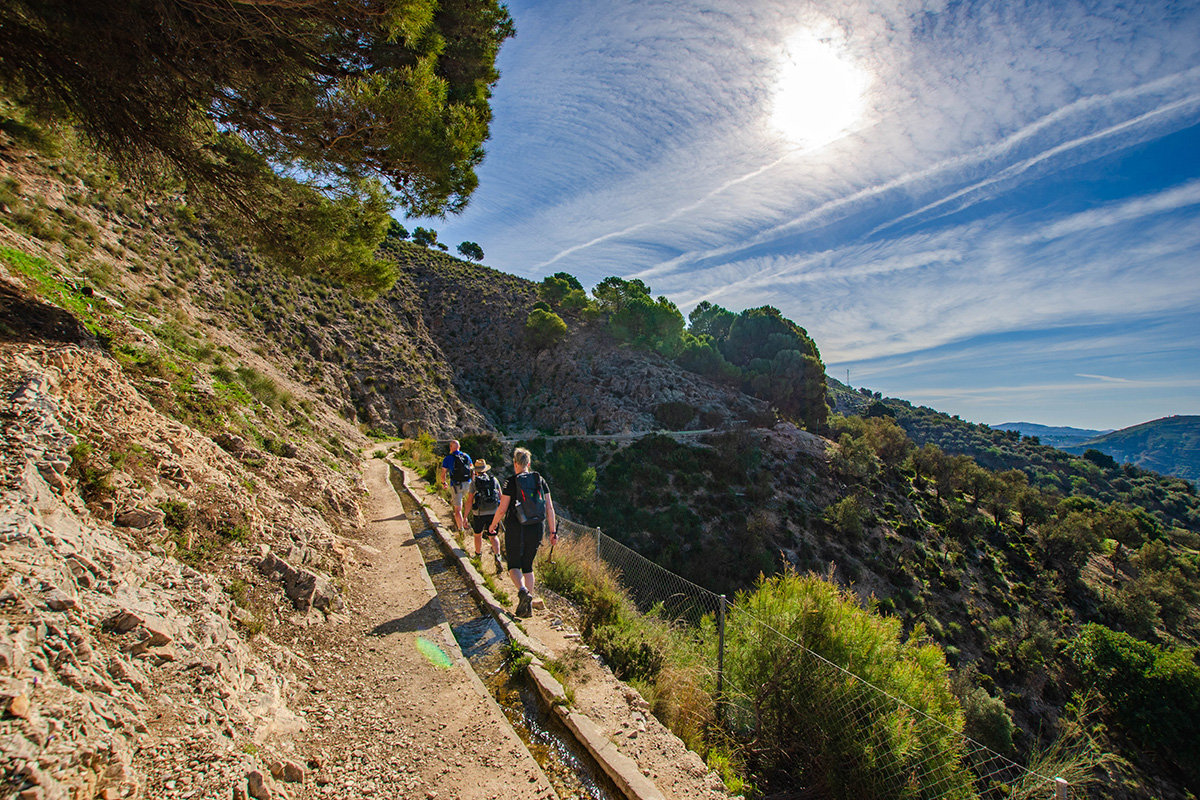
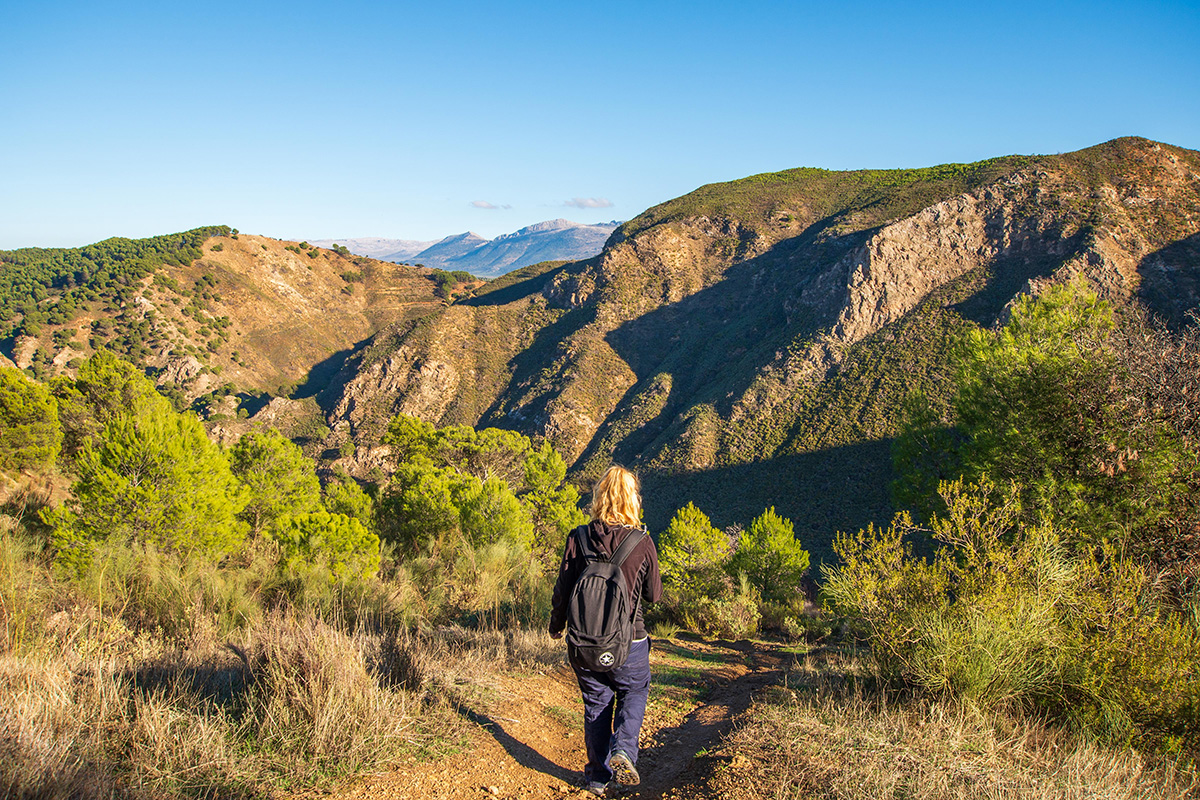
Walking here is as much about the atmosphere as it is the scenery. The landscape feels expansive, with wide open views and quiet trails that naturally encourage a slower pace. It's a place where you settle into the rhythm of the day.
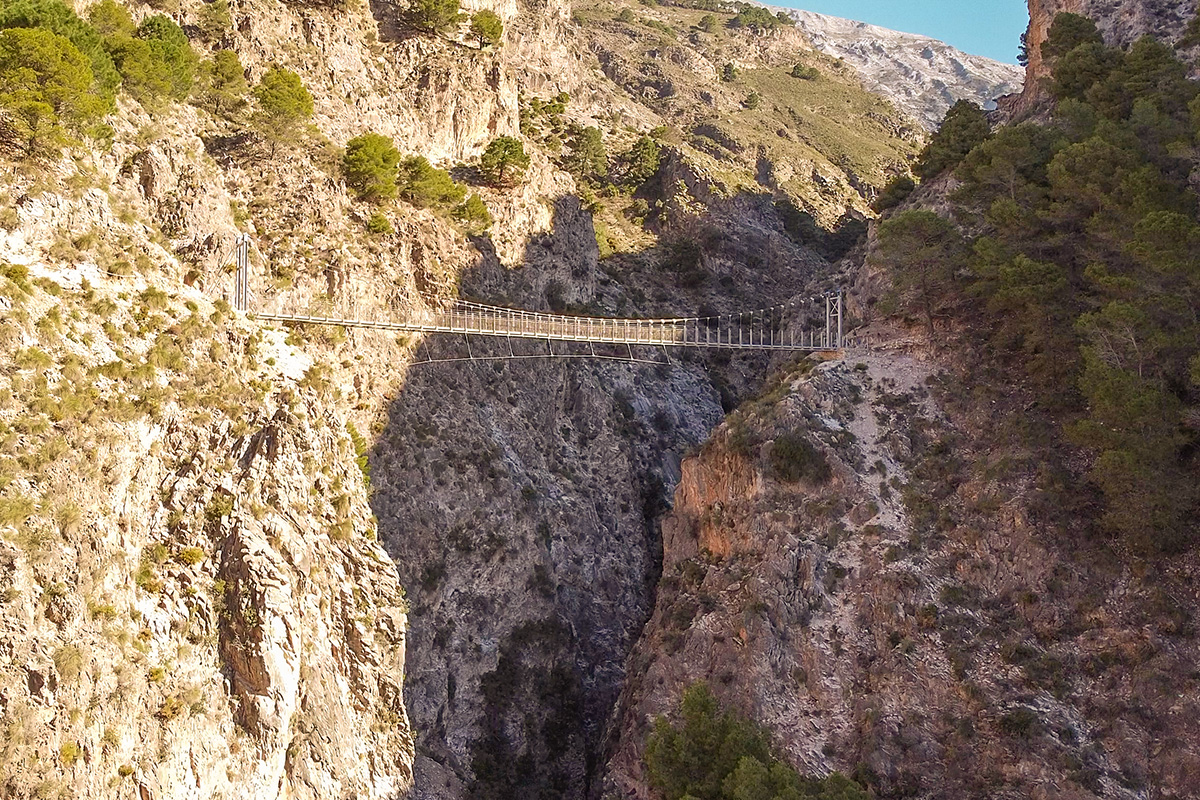
One day you're following paths above the reservoirs or beneath the towering limestone cliffs of the Gaitanes Gorge. The next, you're crossing rolling farmland, walking through olive groves or arriving in a hilltop village where a castle still watches over the surrounding countryside. Along the way, there's always something to catch your attention, whether it's Griffon Vultures circling overhead, colourful Bee-eaters calling from a nearby tree or the sight of Spanish Ibex picking their way across the rocky slopes.
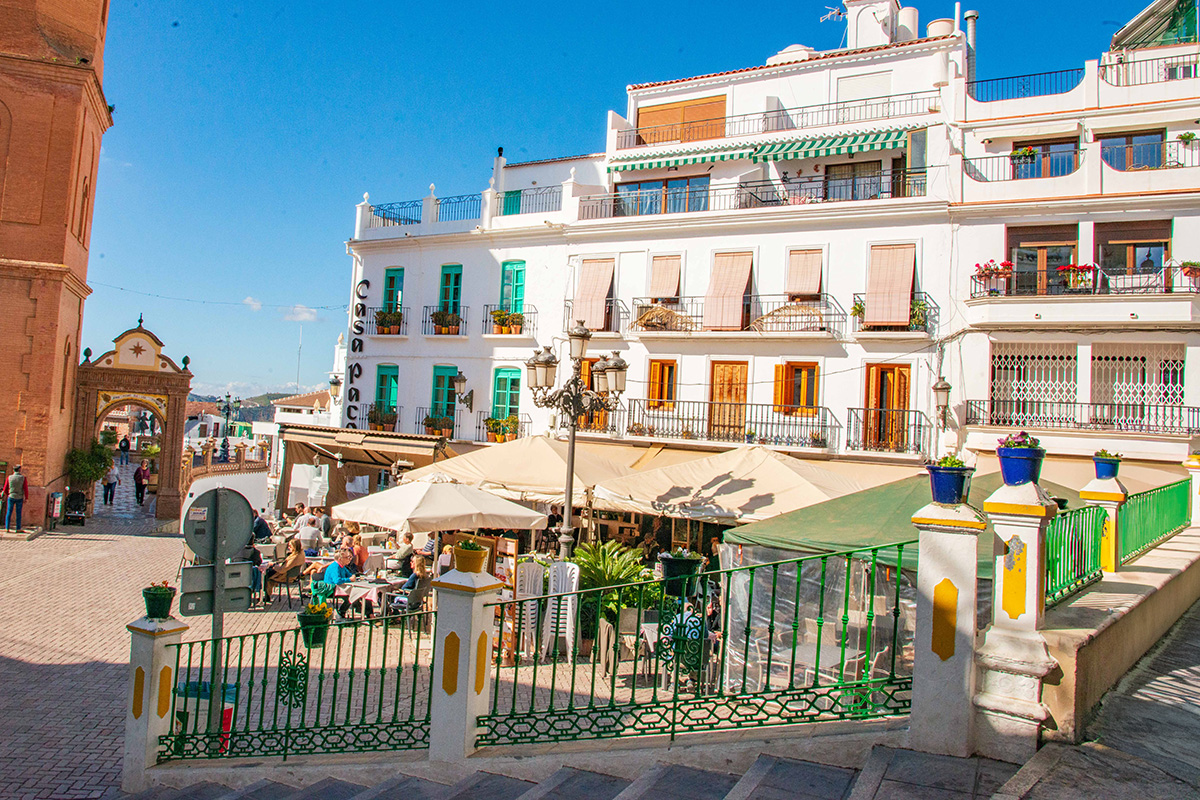
After a few days of walking, you begin to notice how closely the scenery, history and everyday life are connected. It's not unusual to find yourself sitting in a village square, enjoying a coffee or a few tapas while everyday life quietly goes on around you. It never feels staged or created for visitors. You're simply sharing, for a little while, a way of life that has evolved over centuries.
Why It Never Feels the Same
No two days walking here ever feel quite the same. The changing light, the seasons and the wildlife all shape the experience in different ways. Perhaps that's why every walk has its own character.
The Guadalhorce Valley has a way of bringing everything together. Nature, history and culture aren't separate parts of the landscape; they're woven into it. You can spend the morning walking beneath towering limestone cliffs, through landscapes shaped over millions of years, then find yourself sitting beneath the walls of a Moorish alcazaba, enjoying a coffee or a few tapas while the world quietly passes by.
For a few days, life becomes wonderfully uncomplicated. You spend your time walking through remarkable landscapes and enjoying places where nature, history and everyday life sit comfortably alongside one another. Somehow, without really noticing, the pace of life slows down. For a little while, the world outside just seems to pass by.